
Sustainable Change
is Community-Led
Watch Video
We believe sustainable change comes from local leadership.
Through our Community-Led Development (CLD) Incubator program, we build relationships with emerging and established organizations in coffee-growing regions of Latin America and East/Central Africa, providing access to often first-time funding for their community-driven initiatives. Each participant organization designs, executes, and measures a community project in collaboration with their community members, leading to increased income generation, knowledge development, women and youth participation in agriculture, greater climate resilience, and more.
Learn MoreOur Impact

22
CLD Incubator
participants
across the world

13,735
Community members impacted by locally-designed initiatives

$330K
Invested in community-led projects
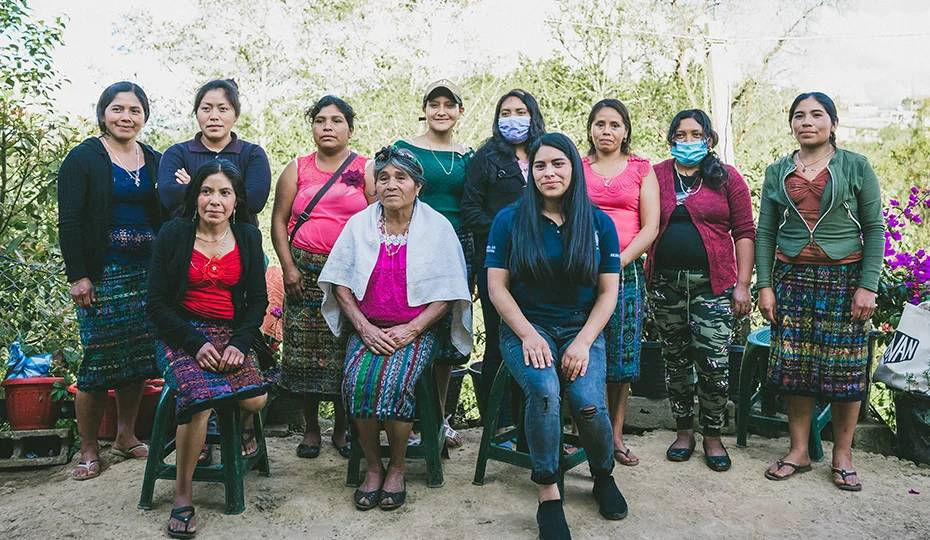
Egg Laying Hens & Tree Nursery
Jovemcafé, Guatemala
Jovemcafé is a group of 25 young women coffee entrepreneurs in Com, Guatemala. After practicing TCC-recommended community visioning exercises, several members of the organization demonstrated increased leadership capacity, even forming a committee to design a second community-led plan (in addition to their initial plan of a tree nursery) as part of the CLD Incubator: a collective egg-laying hen business to increase income between coffee harvest seasons. The group is now earning $1000 extra per month. Through their engagement with TCC, Jovemcafé members also report having increased confidence, connections, and capacity to continue turning their future project ideas into realities.
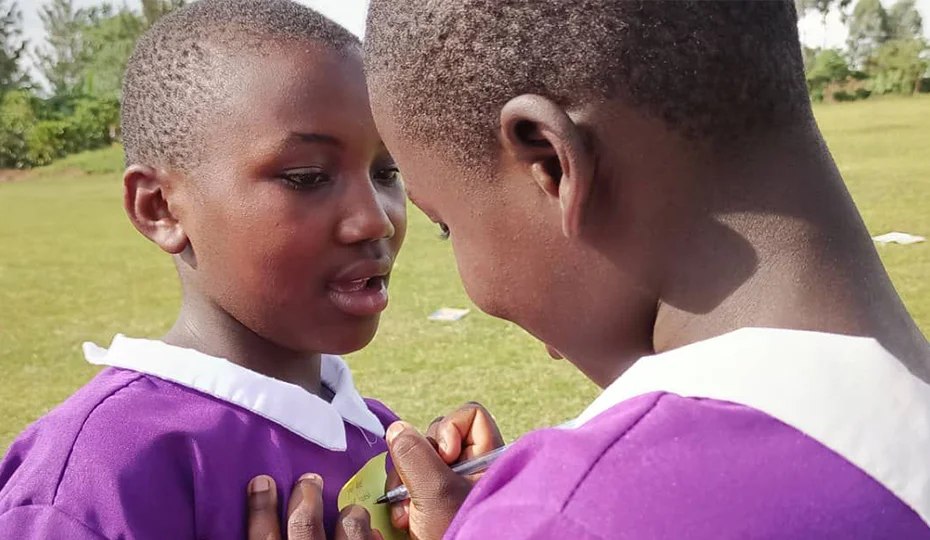
Girls’ Empowerment
Girl Power Foundation, Uganda
GPFU’s mission is to uplift adolescent girls and young women to utilize their skills and break the patterns that prevent them from thriving. Through their CLD Incubator project in 2024, GPFU engaged 500+ community members – including women and girls both in and out of school – to increase women’s economic empowerment, enhance gender equity, and create a shared space in the community to support and be a part of these conversations. Specifically, GPFU designed three main focus areas for their project: vocational skills training for women and young girls that are out of school; sports activities for sensitization at school on mental and physical wellness; and community music, dance, and drama for creating unity and raising awareness on important topics.
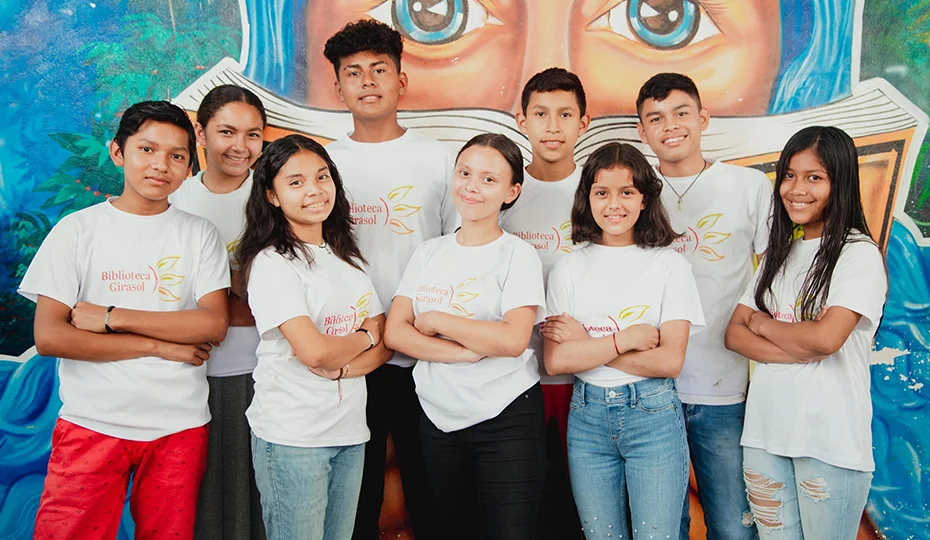
Youth Community Library & Scholarships Program
Biblioteca Girasol, Nicaragua
Biblioteca Girasol is a community library in the coffee-growing region of Matapalo, Nicaragua run by a team of youth leader volunteers. Despite their commitment to education in their community, most of these leaders are not able to attend high school due to the financial burden of buying school supplies and paying bus fares to reach the nearest public school. To respond to this challenge, through the CLD Incubator, Biblioteca Girasol decided to launch a program that offers scholarships to youth leaders, and provides academic assistance and mental health services. This program now ensures that they can complete high school, and it supports them to continue giving back to their community, as they design and facilitate after-school programming for children who visit the library.
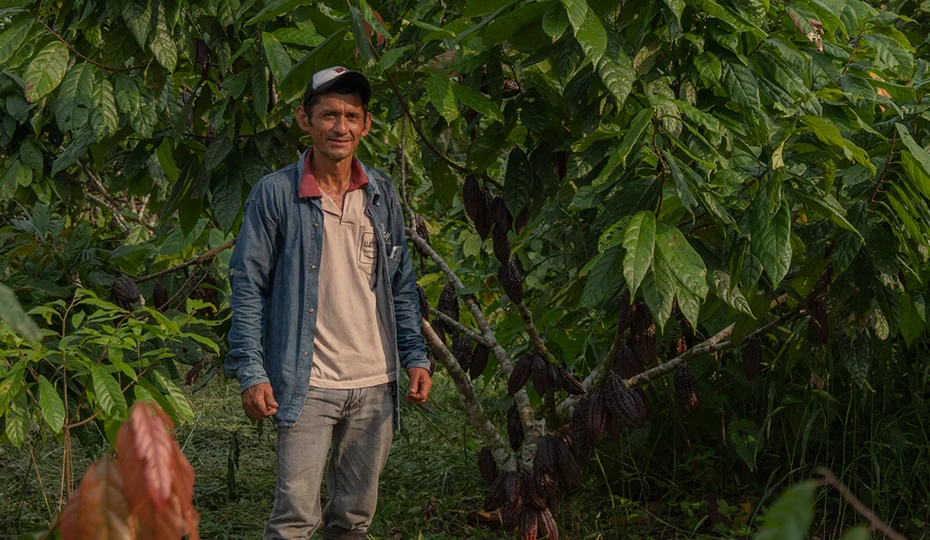
Technical Assistance For Robusta Producers in the Amazon
Asoamazonas, Ecuador
Asoamazonas is a youth-led group from the community of Huaticocha, in the Ecuadorian Amazon. Their aim is to rescue agricultural activities in their region and add value to local products – especially cacao and Robusta coffee – by growing and processing them in a sustainable, environmentally-friendly way. With their CLD Incubator project, Asoamazonas provided personalized technical assistance to 15 farming families so they could improve their yield and quality via organic and permaculture practices, obtain environmental certifications, and increase their incomes. In addition, they supported an after-school program for youth and children to promote reading, creativity, and coffee brewing skills; they also led a workshop for children about climate change.
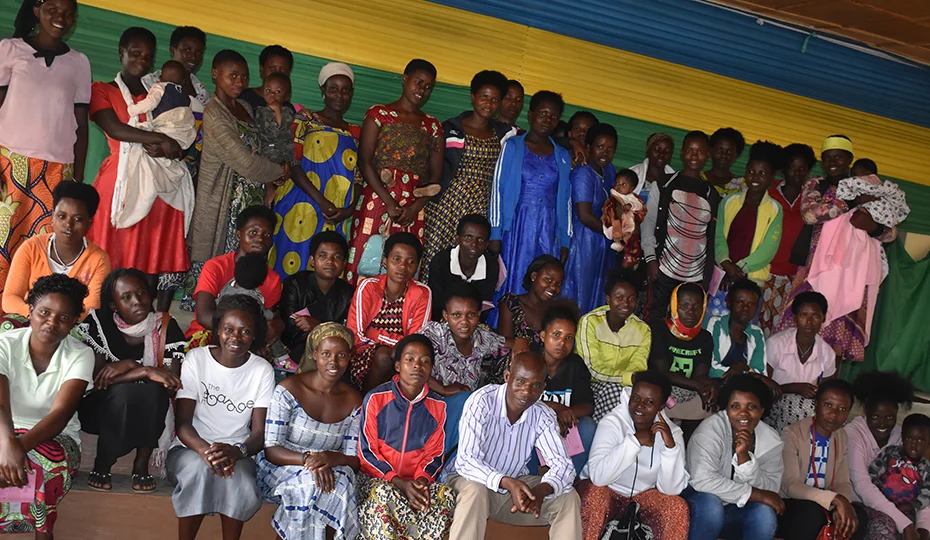
Supporting Young Single Mothers
Abateraninkunga ba Sholi, Rwanda
Sholi is a cooperative that not only processes and sells coffee; it is one that has also established a medical center, a clean water system, and a conference hall in the village. As part of the CLD Incubator, Sholi developed a project to support young single mothers within their community by reintegrating them into the local economy. First, they provided land and a comprehensive training program surrounding coffee and sustainability for a group of 80 young single mothers to increase their incomes. Second, to supplement members’ income until they could see the profits from the new coffee production, Sholi decided to foster alternative income options through skill development in artisan crafting and goat farming.
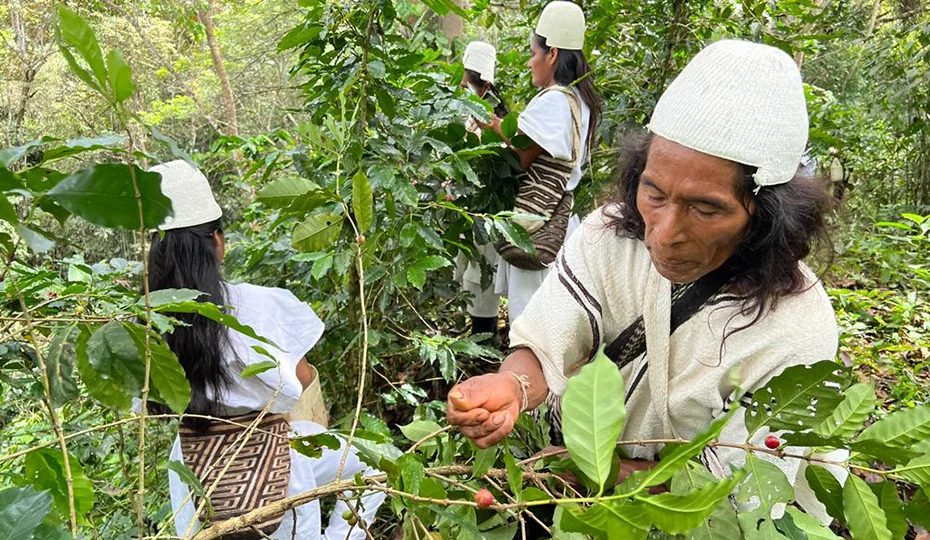
Recovering Ancestral Land through Coffee
Asoseykún, Colombia
AsoSeykún is an Arhuaco community from the Sierra Nevada de Santa Marta region in Colombia, that works to recover, reforest, and protect their ancestral land. Through the CLD Incubator, they developed a strategy to meet this goal by processing and selling their coffee collectively at a fair price, ultimately increasing internally-generated income. The first stage of AsoSeykún’s project was a diagnostic of 23 coffee farms in their community to assess tree quantity and health as well as soil health. The second stage focused on infrastructure and training. As a result of this project and their learning, they were able to sell their coffee as dry parchment for the first time in 2023.
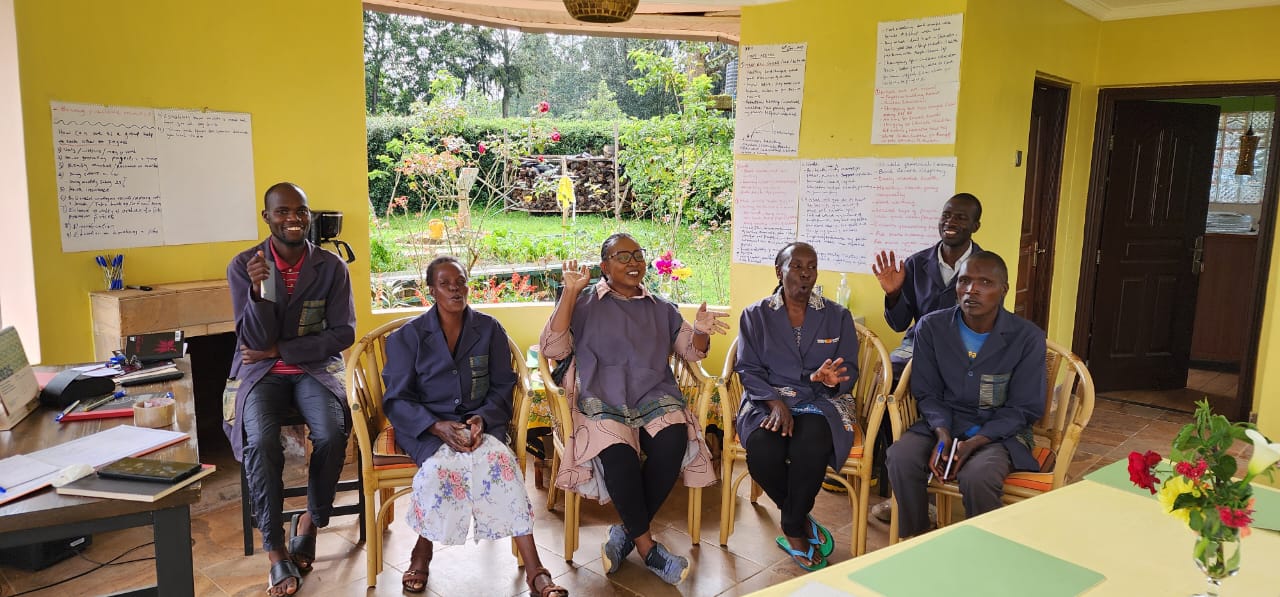
Diversified Livelihoods for Coffee Worker Families
Farmers Caucus, Kenya
Farmers Caucus is a group of 15 estate farmers in the Trans-Nzoia County of western Kenya. Their goal is to work together to create opportunities for their farms and communities, share lessons learned, and inspire each other toward improvement. Through the CLD Incubator, they piloted a project on one of the estate farms to support coffee worker families to create consistent, year-round income. Through diversified income streams, families are able to meet essential needs, especially school fees to ensure access to education for their children. To support families to launch income-earning projects, Farmers Caucus combined practical inputs, such as seedlings, livestock, beehives, and other essential materials, with hands-on training tailored to each family’s specific capacity-building needs. Their efforts expanded economic opportunities in the region in ways that were responsive to the priorities established by the worker community.
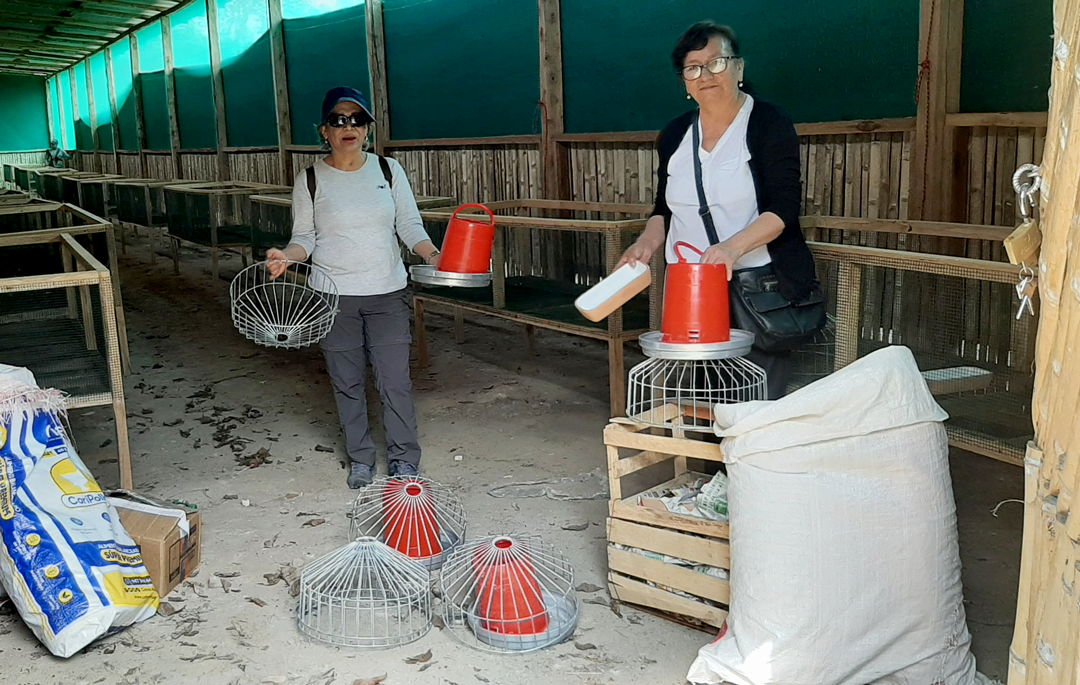
Sustainable Farm Practices & Food Security Through Guinea Pig Husbandry
Las Damas de San Ignacio, Perú
Las Damas de San Ignacio is the women’s committee of Cooperativa Agraria Frontera San Ignacio. They are dedicated to supporting their women members through the development of organic coffee farms and businesses. As part of the CLD Incubator, Las Damas launched a guinea pig husbandry initiative that sought to provide families with an ongoing and reliable source of protein as well as an ongoing and reliable source of manure for fertilizer. While the guinea pigs are currently being sold for food, the manure is being used to produce organic fertilizer. The fertilizer is improving soil fertility, contributing to organic farming practices, and reducing input costs for farmers, creating a circular system that is benefiting cooperative members overall, as well as providing the women’s committee with an alternative source of income.
Organic Fertilizer Production & Youth Employment
Combrifol, Honduras
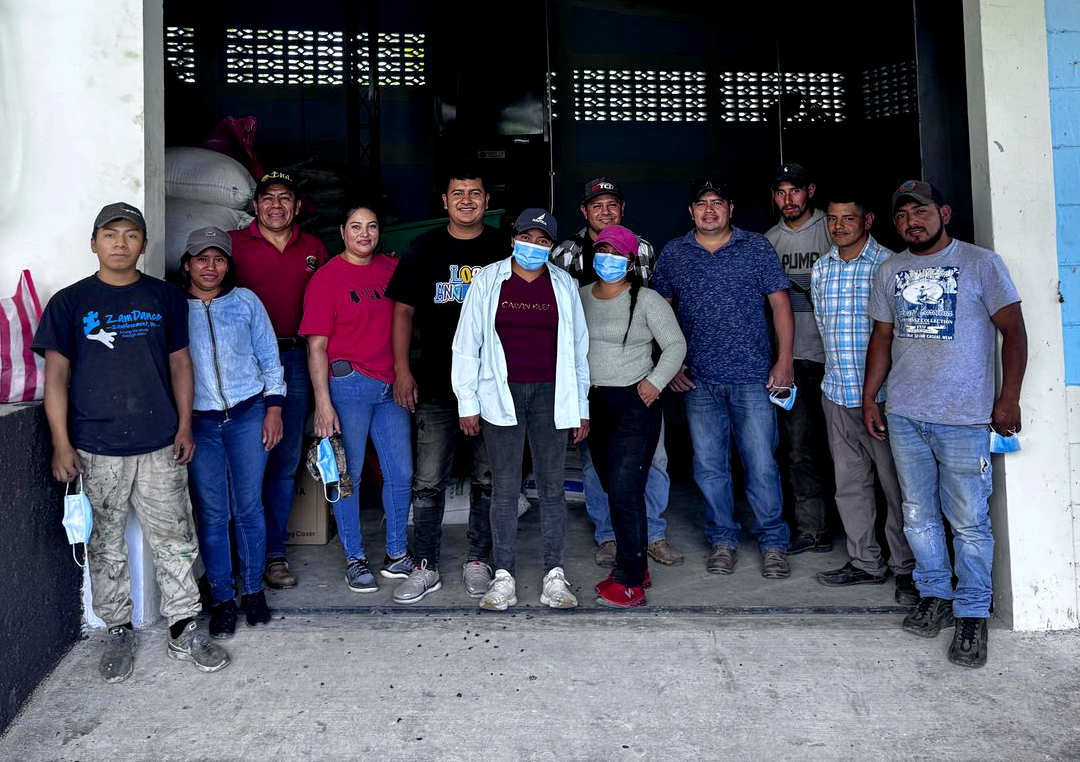
Combrifol, a coffee cooperative facing rising production and export costs, developed a project to build internal capacity for organic fertilizer production. This CLD Incubator initiative directly reduced expenses for member farmers, as the fertilizer is now being sold at a reduced rate; it also improved coffee quality and yields through enhanced soil nutrition. The cooperative additionally sought to inspire more young people to stay in coffee production through their work, as they focused on training youth to manage the new fertilizer production plant. In total, 15 young people learned how to produce organic fertilizer and operate the necessary machinery. Six program graduates were subsequently hired by the cooperative, creating local employment while ensuring the continuity of the fertilizer production.
Professional Development for Women in Coffee
Common Grounds, Ethiopia
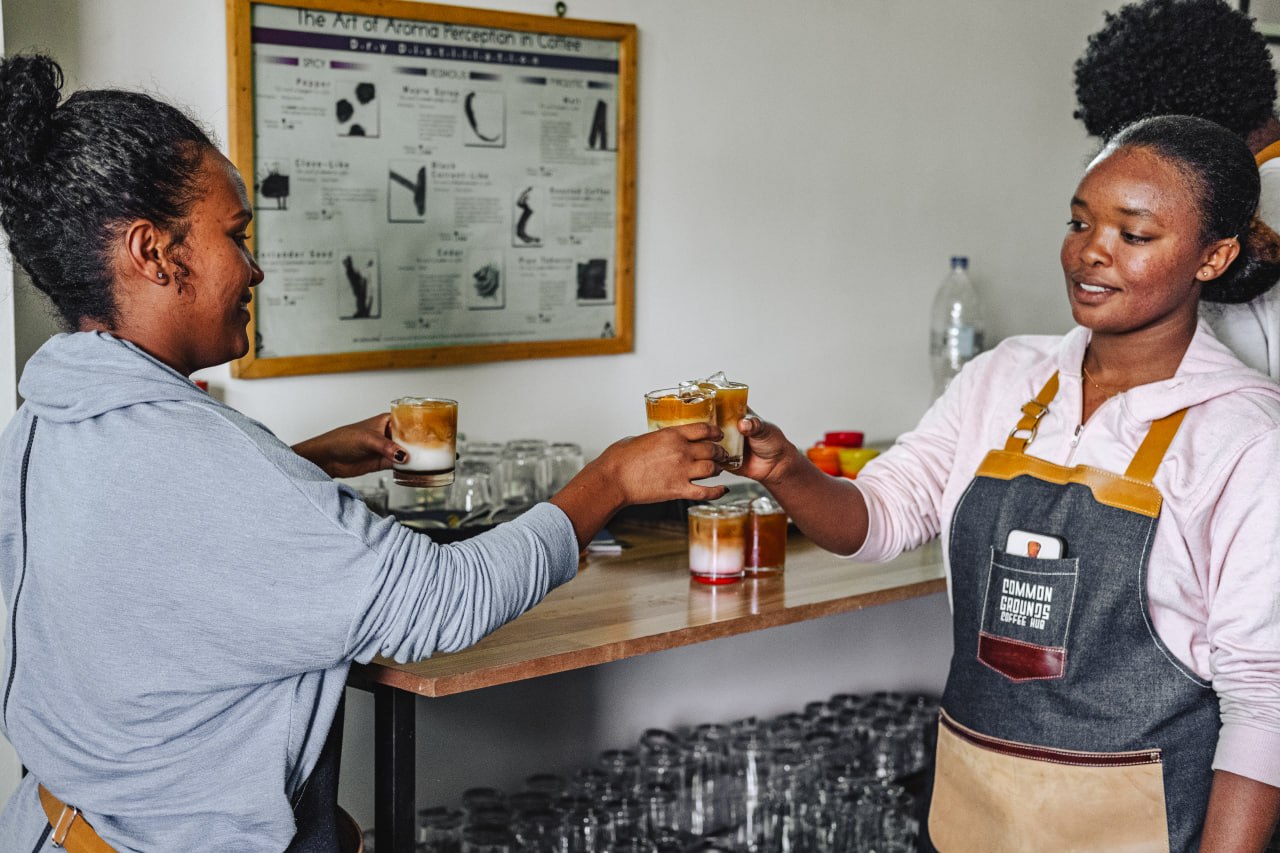
Common Grounds, founded in 2025, is a dedicated group of women who work in the Ethiopian coffee value chain. Their goal is to improve access to knowledge, resources, and business skills-related training for Ethiopian female coffee stakeholders through mentorship and physical meeting spaces. As part of the CLD Incubator, Common Grounds built out an existing space in Addis Ababa where women could gather, learn, and share resources to remain competitive in the marketplace. Their hub includes an SCA-certified classroom space, where they now host the Green, Sensory, and Barista Skills modules of the Specialty Coffee Association (SCA) Coffee Skills Program. They also host marketing courses and events, and continue to develop new opportunities for female stakeholders in Ethiopia to enhance their businesses, and demonstrate their value and expertise in the coffee sector.